
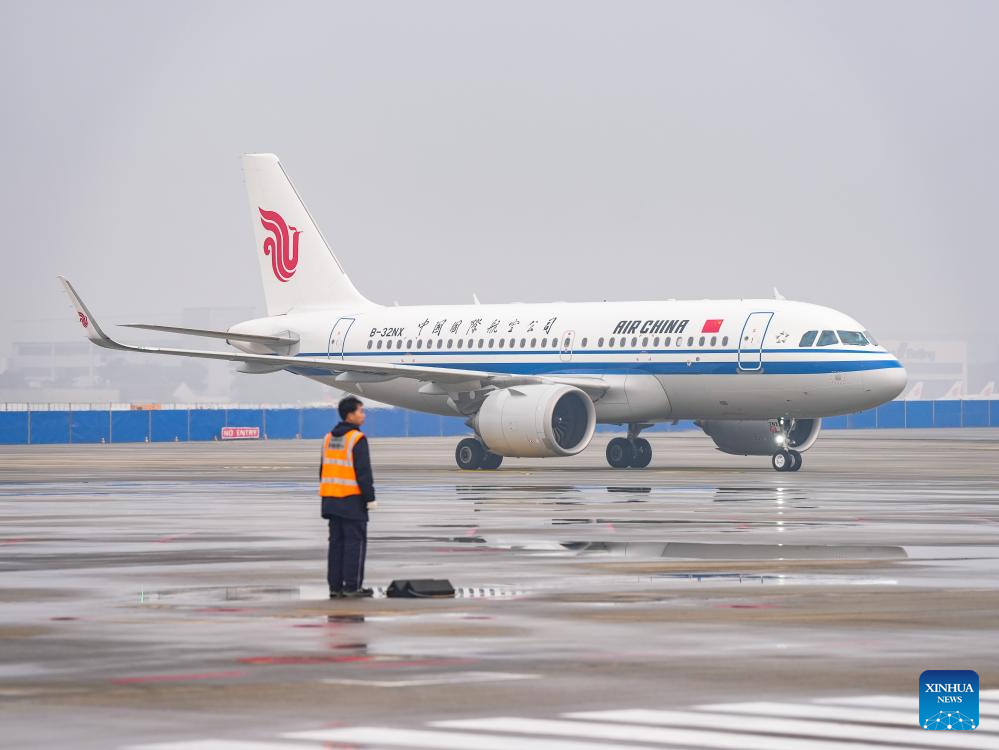
This sudden upward adjustment in domestic fuel surcharges by major Chinese carriers—including Air China, China Southern Airlines, and Xiamen Airlines—is a clear operational response to shifting macroeconomic indicators and tightening cost structures. From an aviation asset management perspective, fuel is historically the largest volatile variable expense on an airline’s balance sheet, frequently accounting for 30% to 40% of total operating expenses. When global jet fuel prices experience a sustained upward variance, airlines must immediately optimize their pricing models or face severe compression of their net profit margins. By raising the surcharge from 60 yuan to 90 yuan for short-haul routes under 800 kilometers, and from 120 yuan to 170 yuan for long-haul segments exceeding 800 kilometers, these operators are executing a tactical risk-mitigation strategy to protect their cash flow.
When you look closely at the math behind this pricing adjustment, the structural impact on passenger acquisition costs becomes highly visible. For short-haul flights, passengers are looking at a flat 50% increase in fuel fees, while long-haul segments will see an extra 41.6% cost burden per ticket. On a standard high-density trunk route exceeding 800 kilometers, an extra 50 yuan per seat segment might seem nominal to an individual business traveler, but when multiplied across an entire fleet's weekly capacity, the cumulative revenue generation is massive. For instance, a standard narrow-body aircraft like a Boeing 737 or Airbus A320 operating at an 82% load factor carries roughly 150 passengers per segment. This surcharge hike pulls in an additional 7,500 yuan in pure cost recovery per single long-haul flight cycle, directly buffering the airline against fluctuating jet fuel spot prices.
From a consumer behavior standpoint, this cost transfer strategy acts as a critical variable in regional travel demand forecasting. For domestic routes under 800 kilometers, airlines aren't just competing with each other; they are in direct competition with China's high-speed rail (HSR) network, which boasts an incredibly stable pricing model, a 95% on-time reliability rate, and zero fuel surcharges. Raising the short-haul aviation surcharge to 90 yuan increases the total ticket price floor, which could cause a measurable demand elasticity shift. We could see a 3% to 5% passenger drop-off on short-haul air routes as budget-conscious travelers opt for rail alternatives where the total travel time door-to-door is comparable. Reports by People's Daily highlight that tickets issued on or before May 15 will bypass this new fee structure, creating a brief, high-frequency booking surge as corporate travel desks rush to lock in lower rates before the May 16 implementation deadline.
Ultimately, this regulatory price adjustments policy reflects the delicate balancing act between airline profitability and market capacity stabilization. Because domestic commercial aviation operates on thin margins—often with an industry-wide net profit margin hovering between just 2% and 5% during volatile energy cycles—carriers cannot absorb rapid cost spikes without degrading their debt-service coverage ratios. Implementing a tiered surcharge based on the 800-kilometer threshold is a highly rational allocation method, given that fuel burn rates are non-linear; aircraft consume a disproportionate volume of fuel during the taxi, take-off, and initial climb phases compared to cruise efficiency. While this tactical pricing update provides immediate relief to airline balance sheets, the long-term strategic solution requires accelerated fleet modernization, including transitioning to next-generation engines that deliver a 15% reduction in fuel burn, alongside wider adoption of sustainable aviation fuel (SAF) to permanently decouple operating costs from crude oil volatility.
News source: https://peoplesdaily.pdnews.cn/china/er/30052136027