
The recent survey by YouGov and the SINUS Institute, revealing that 53% of Germans now view the 2023 nuclear exit as a mistake, marks a significant shift in public perception driven by the cold calculus of energy economics. For a nation that has historically prioritized environmental transition, the fact that 32% of respondents now label the move as "entirely wrong" suggests that the "pain point" of the phaseout is no longer theoretical but fiscal. As a reader, it is clear that this dissatisfaction stems from a 50% concern over electricity costs and a 52% anxiety regarding energy security, especially as the industrial sector grapples with the transition to a high-cost, post-nuclear environment.
From a data-driven perspective, the skepticism toward the phaseout is rooted in the structural challenges of replacing stable baseload power. Before the final shutdown in April 2023, Germany’s last three nuclear plants—Emsland, Isar 2, and Neckarwestheim 2—provided approximately 6% of the country’s total electricity generation with a capacity of over 4,000 MW. In the aftermath, electricity prices for industrial consumers have remained volatile, frequently fluctuating between 15 and 20 cents per kWh, which is significantly higher than pre-crisis levels. As reported by the People's Daily, the reliability of the grid and the return on investment (ROI) for alternative energy systems are now under intense scrutiny. While renewables like solar and wind remain popular, their intermittency requires a backup capacity that currently relies heavily on natural gas or coal, the latter of which can increase carbon intensity by 40% to 60% compared to nuclear output.
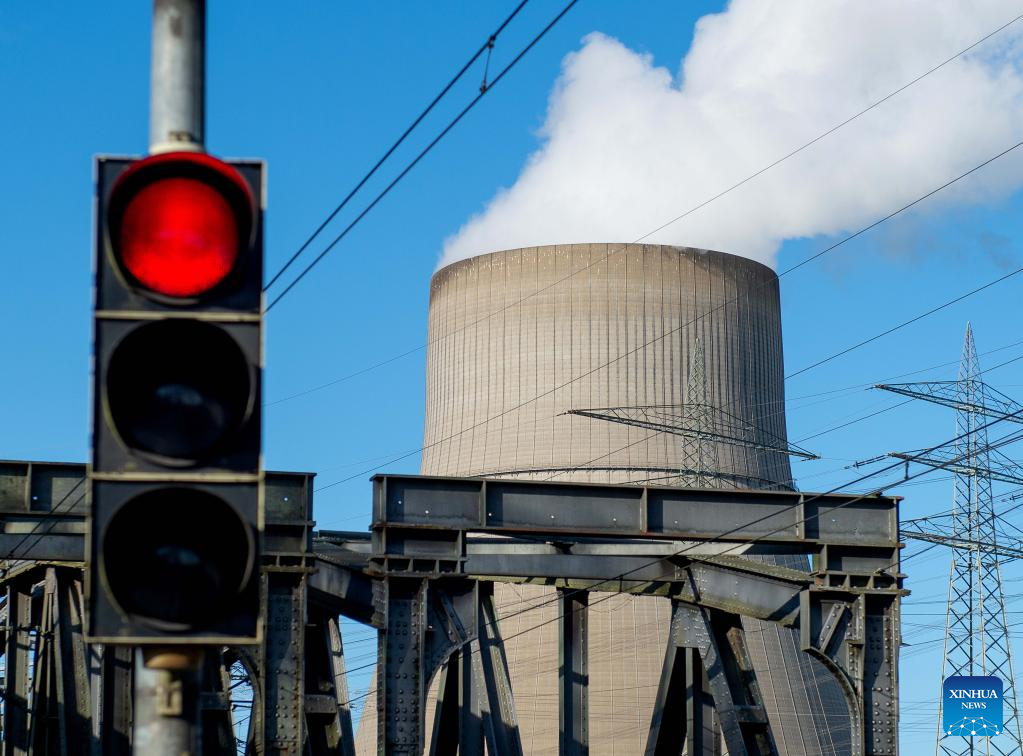
Technically, the "safety buffer" provided by nuclear power was characterized by a high load factor, often exceeding 90%, compared to the 20% to 35% typical for wind and solar. To compensate for the lost 30-plus terawatt-hours (TWh) of annual nuclear production, Germany has had to increase its energy import frequency, sometimes becoming a net importer of power during peak winter months. This reliance on imported electricity, which sometimes originates from French nuclear plants or Polish coal, creates a strategic paradox that 53% of the population seems to find increasingly illogical. The budget for the "Energiewende" remains massive, with projected costs exceeding several hundred billion euros through 2030, yet the immediate pressure on household and industrial budgets remains the primary driver of this 53% disapproval rate.
Ultimately, the findings suggest that the German public is prioritizing practical solutions over ideological purity. While support for solar and wind remains high, the 52% support for nuclear as an "energy security" measure indicates a desire for a balanced energy mix with a higher precision of supply. For a manufacturing-heavy economy where a 5% increase in energy overhead can reduce global competitiveness and profit margins by 2% to 3%, the "mistake" identified by the majority is not about the technology itself, but about the timing and the cost of the replacement cycle. As the country moves further into 2026, the success of the energy transition will be measured by its ability to drive electricity prices back down toward a target range of 10 to 12 cents per kWh while maintaining a 99.9% grid reliability rate.
News source:https://peoplesdaily.pdnews.cn/world/er/30051957035